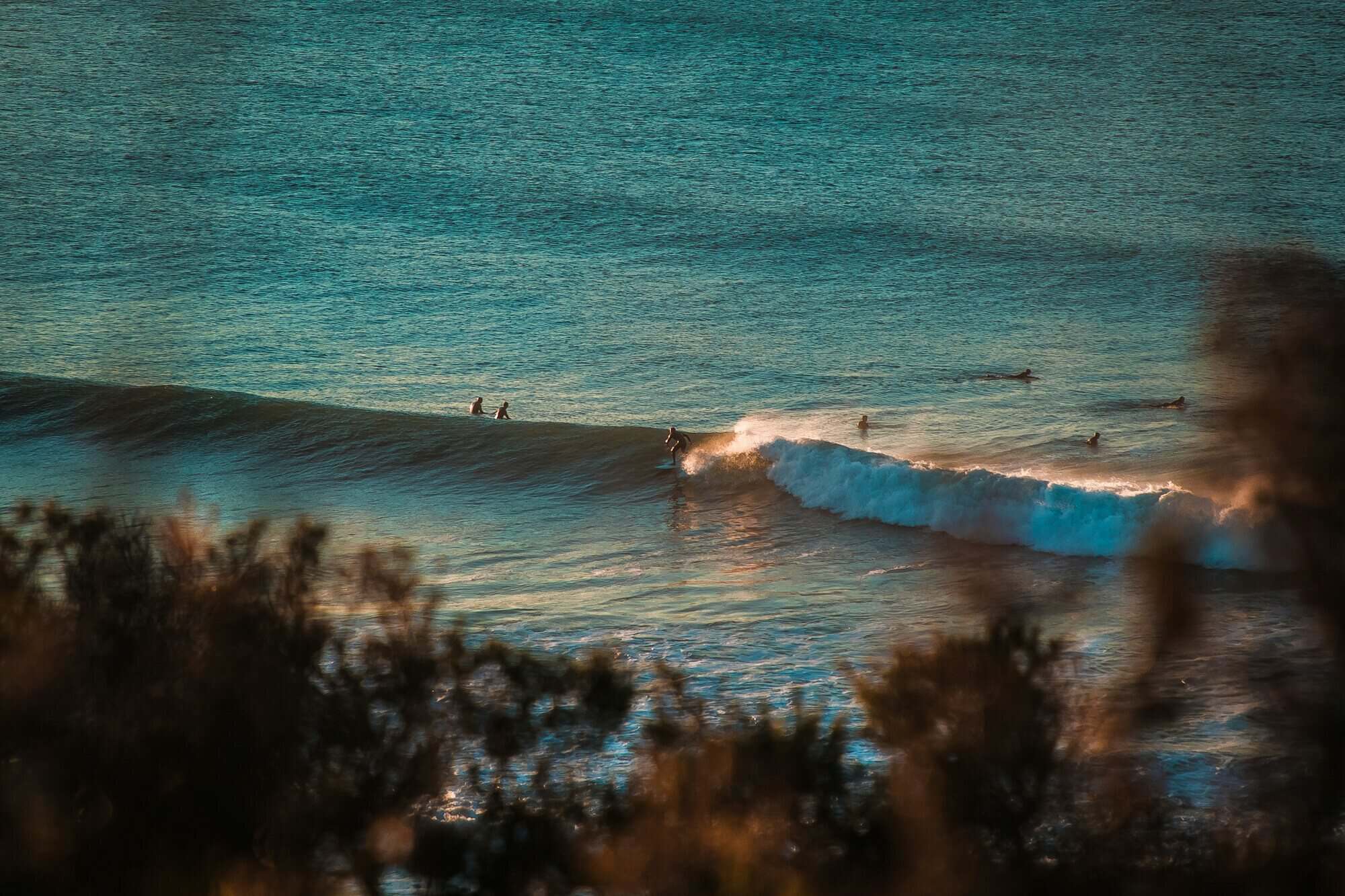
Bells Beach, on Victoria’s Surf Coast near Torquay, is home to a powerful reef break and the Rip Curl Pro, the longest-running continuous surfing competition in the world. It also became the world’s first surfing reserve in 1971. The Wadawurrung People know the place as Djarrak.
Why Bells Beach matters to surfers everywhere
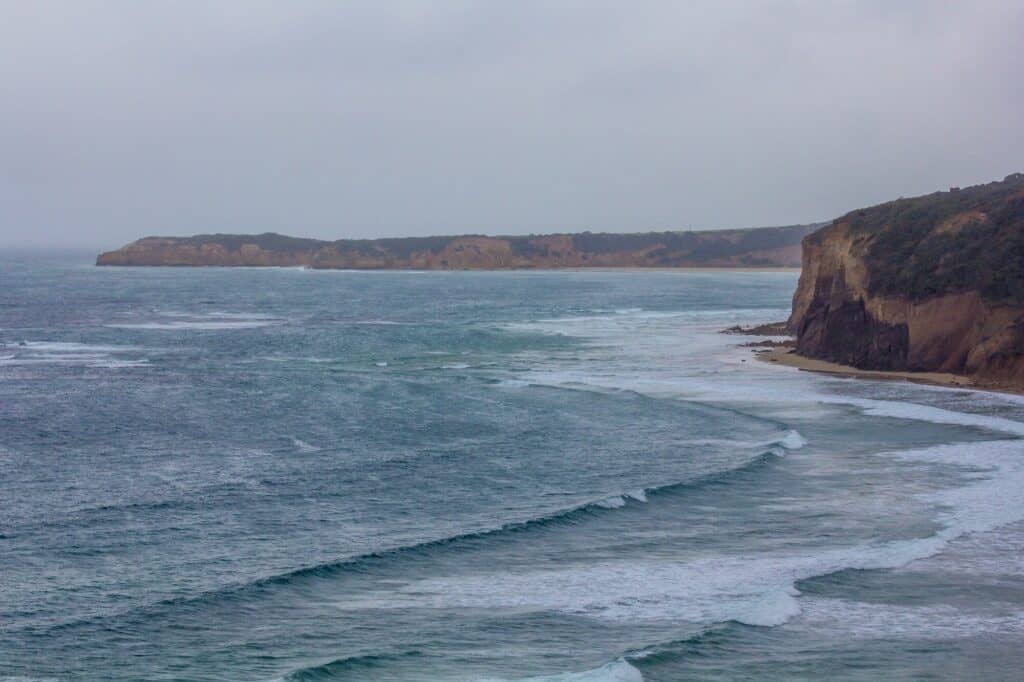
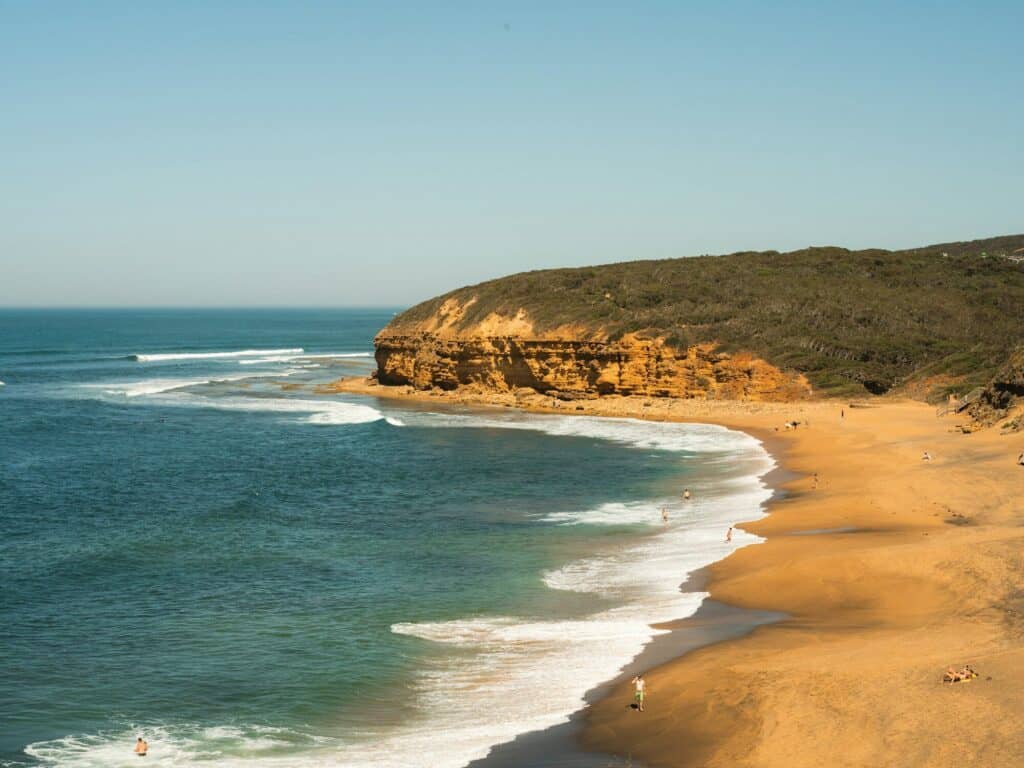
Bells Beach is a small bay with an enormous reputation. Ochre cliffs curve around a reef that turns Southern Ocean swell into long, powerful walls. Surfers from every continent know its name, even if they have never seen it. For many, a first visit feels like a pilgrimage.
The reputation rests on three things. First, the wave itself, which ranks among the finest reef breaks in Australia. Second, the contest held here every Easter for generations. And third, the conservation story that made Bells a model for protecting surf breaks around the world.
Bells also sits at the serious end of Australian surf culture. The water is cold, the swell is heavy and the line-up is experienced. Yet the setting is breathtaking, and visitors of every level come to watch. This guide explains the wave, the contest and the history. It also shows how to plan a refined trip to the Surf Coast.
Djarrak, the bended arm
Long before surfers arrived, Bells Beach was Wadawurrung Country. The Wadawurrung People are its Traditional Custodians, and they have cared for this coast for a very long time. According to the Great Ocean Road Coast and Parks Authority, that care spans over 65,000 years.
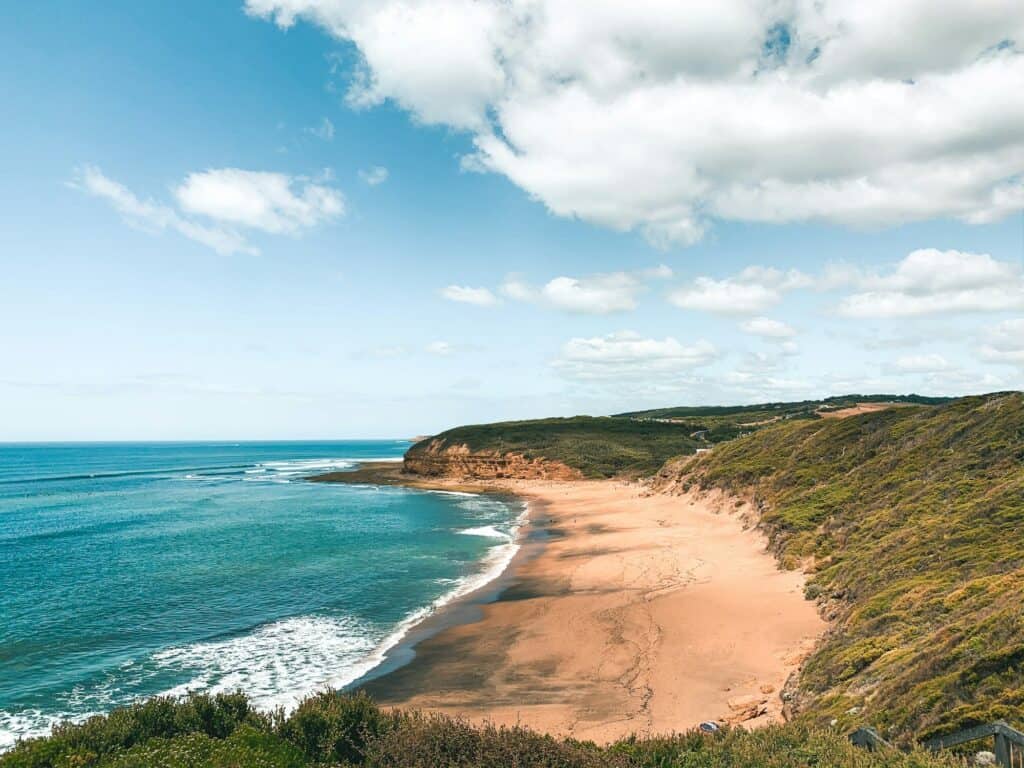
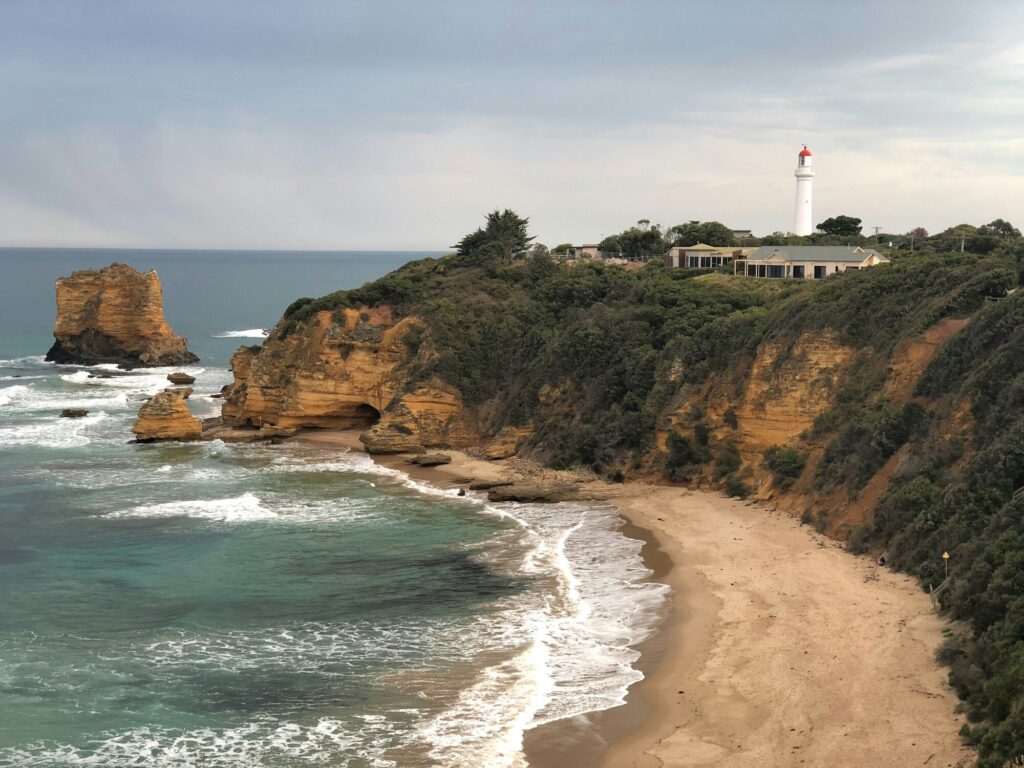
Their name for the place is Djarrak. It means \”bended arm,\” describing the distinctive curve of the cliffs that wrap around the bay. Stand on the viewing platform above the beach and the meaning becomes clear at once. The cliffs hold the bay like the crook of an elbow.
Recognizing that heritage is now part of visiting respectfully. The site carries the dual name Bells Beach and Djarrak on official signage. Some local tour operators offer walks that share Wadawurrung knowledge of the coast. Ask your hotel to arrange one, especially if you are staying for several days.
The wave at Bells Beach
Bells Beach is a right-hand reef break that needs a solid swell to work. Southern Ocean storms send long-period swells up from the southwest. When they arrive, the reef shapes them into tall, peeling walls. On the best days, rides stretch for a long way across the bay.
The wave has several sections, each with its own character. The Bowl, on the inside, is the most famous and the most powerful. Further out, Rincon and the outer reef work on bigger swells. Next door, Winki Pop offers a faster, hollower right-hander that many locals prefer.
STRAAYA may earn a commission when you buy through these links, at no extra cost to you.

A waterproof, fleece-lined parka for changing on windy clifftops.

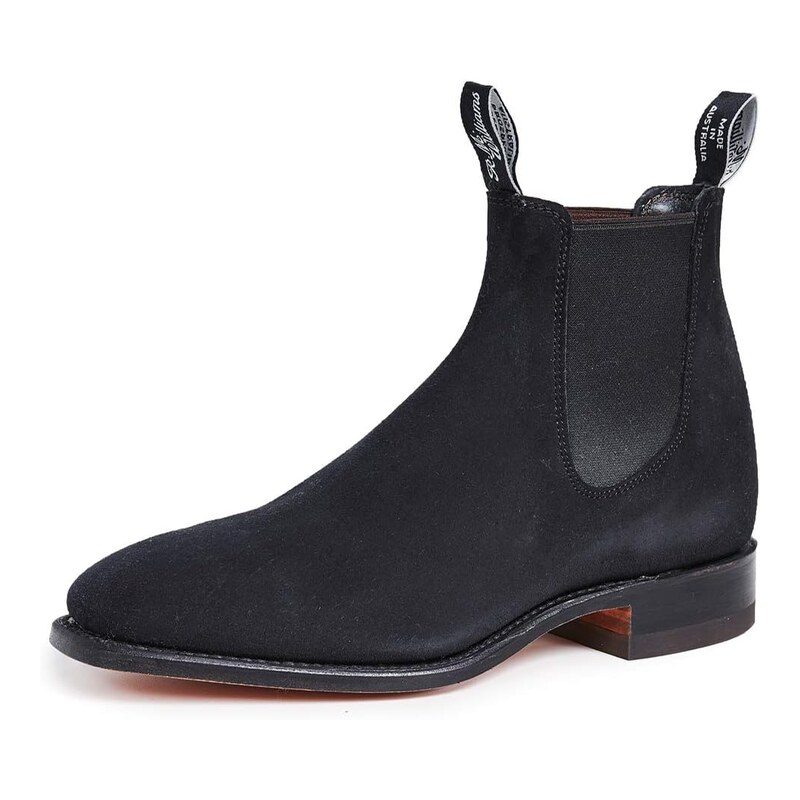
The sheepskin boot every Australian surfer pulls on after a winter session.

A light, packable down layer for cold dawns on the Surf Coast.
Victorian winters are cold, and the wind off the Southern Ocean bites. Changing quickly into warm layers is part of the Bells ritual.
This is not a beginner’s wave. The reef is shallow in places and the currents are strong. The water is also cold for much of the year. Intermediate surfers should study it from the cliff first and paddle out only on smaller days. Meanwhile, beginners will find gentler waves at Torquay’s front beach and nearby Jan Juc.
Reading the reef takes local knowledge. For example, the Bowl handles big swell but closes out on certain tides. Similarly, Winki Pop works on a lower tide and a slightly different angle. A good guide will explain these details while you watch from the cliff.
The Rip Curl Pro and the world’s longest-running contest
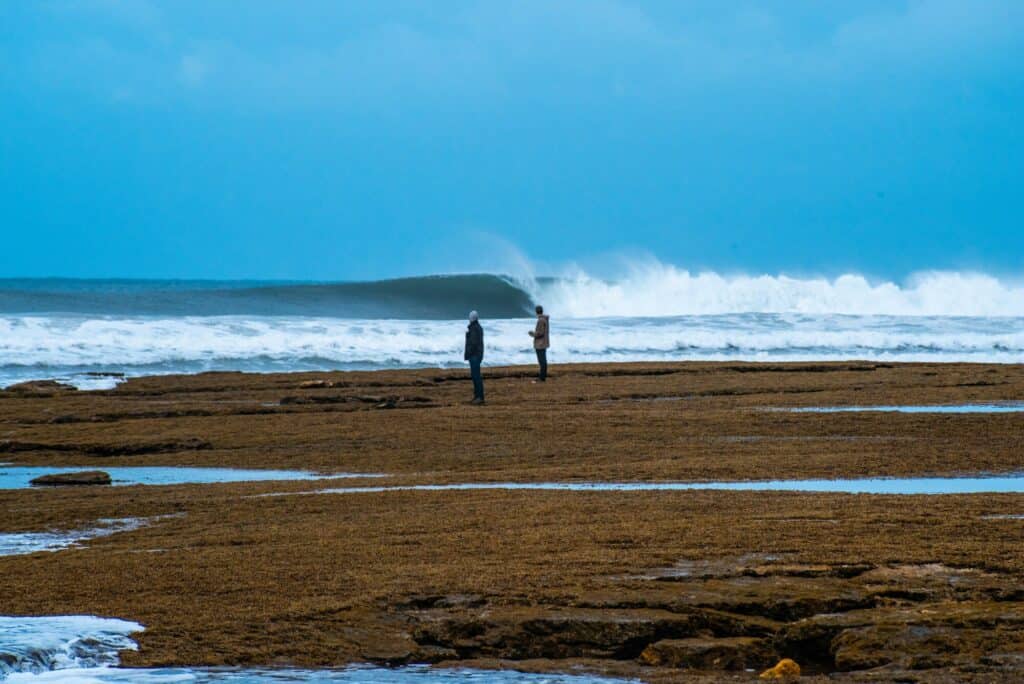
Every Easter, the world’s best surfers gather on these cliffs. The Rip Curl Pro is the longest-running continuous surfing competition in the world. That is the verdict of the Great Ocean Road Coast and Parks Authority. For decades, it has opened the professional season in Australia.
Bells also hosted the sport at the highest level early on. The Victorian Heritage Database records that Bells Beach became the venue for the World Surfing Titles in 1970. That event put the reef firmly on the international map. Since then, nearly every great surfer of the modern era has competed here.
The winner’s trophy is a famous bell, rung on the podium in front of the crowd. That simple ritual has become one of the most recognizable moments in surfing. Champions often say that ringing the bell means more to them than any other win. It connects them to every surfer who rang it before.
The contest has produced some of surfing’s most famous moments. Legendary Australians such as Mark Richards, Mick Fanning and Stephanie Gilmore have all won here. Each victory added to the legend of the reef. For fans, walking down the same stairs as those champions is part of the thrill.
Watching the contest is an experience in itself. Spectators line the wooden stairs and viewing decks above the bowl. The crowd follows each wave with the attention of a sports stadium. Book accommodation in Torquay or Lorne many months ahead if you plan to attend.
You may also like
If you visit outside contest week, the mood is very different. On a weekday in winter, you may share the viewing deck with only a handful of locals. The waves can be just as good, and the silence is part of the beauty. Many seasoned travelers prefer it that way.
Watching from the clifftop
The best viewing spots are the upper deck and the stairs above the Bowl. Arrive early on contest days, because parking fills quickly. Meanwhile, bring warm layers, since the wind on the cliff can be fierce even in autumn. A thermos of coffee and a wool blanket make the day far more comfortable.
How Bells became the world’s first surfing reserve
In 1961, locals graded a rough track down to the bay. Soon, surfers were arriving in numbers, lighting fires for warmth and camping wherever they could. The clifftop vegetation began to suffer. By the end of the decade, the damage was obvious.
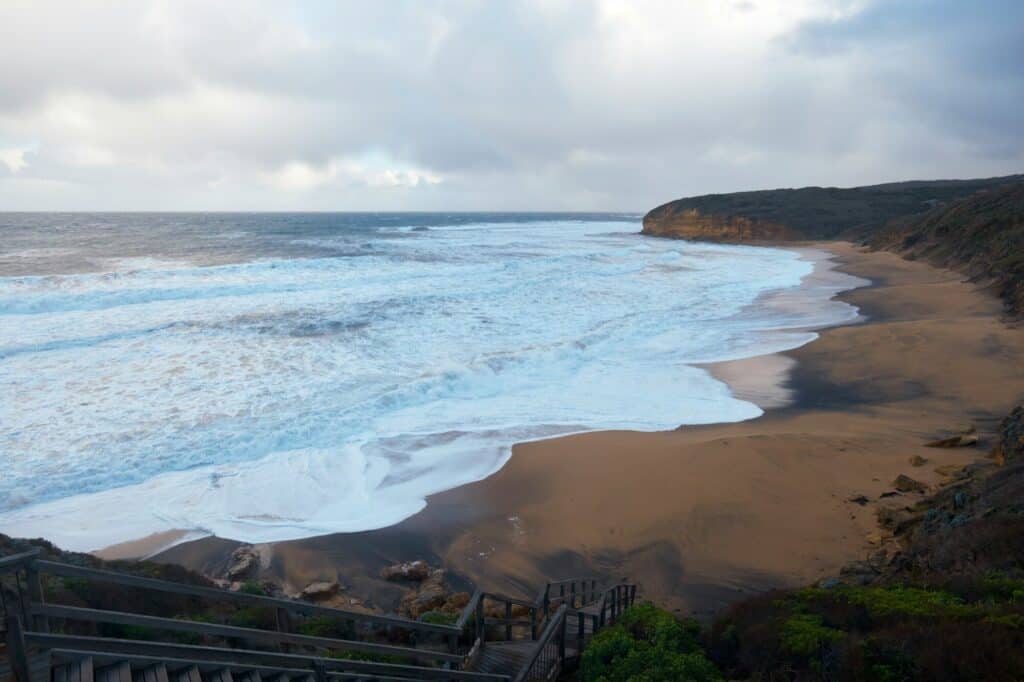
Erosion was the biggest threat. Cars parked on fragile ground, and paths cut across the cliff faces. Each winter storm washed more soil into the sea. Something clearly had to change if the bay was to survive its own popularity.
Surfers themselves pushed for change. By 1971, the Australian Surfriders’ Association wanted the local council to manage the land and protect it. The council became land manager in May 1971, and the reserve name was adopted that November. According to the Great Ocean Road Coast and Parks Authority, that made Bells Beach the world’s first surfing reserve.
The surfers then backed their words with work. In 1971 and 1972, they ran a campaign encouraging surfers to plant trees instead of paying an entrance fee. More than 400 trees went into the ground. Later, in 1988, locals formed Surfers Appreciating the Natural Environment to continue the restoration.
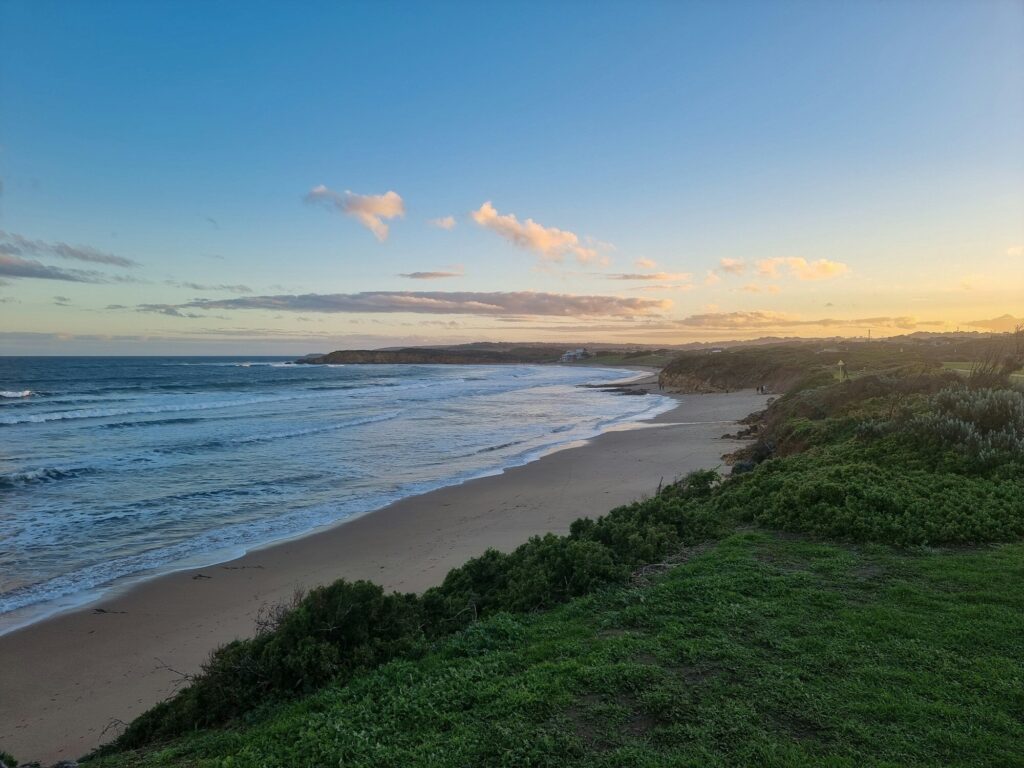
Management has evolved since then. On 1 July 2024, the Great Ocean Road Coast and Parks Authority took over the reserve. The Surf Coast Shire had managed it for 53 years. The authority describes the site of about 48 hectares as being in excellent condition. That outcome reflects decades of care by surfers, volunteers and land managers.
The idea spread far beyond Victoria. Surfing reserves now exist around Australia, from New South Wales to Western Australia. Internationally, the World Surfing Reserves program recognizes outstanding breaks in many countries. Each one owes something to the example set here in 1971.
Torquay, the surf capital of Australia
Torquay, five minutes from Bells Beach, is the gateway to the Surf Coast. It is a relaxed seaside town with a long front beach and a busy surf strip. Two of the world’s best-known surf brands, Rip Curl and Quiksilver, began here. Their stories are woven through the town’s identity.
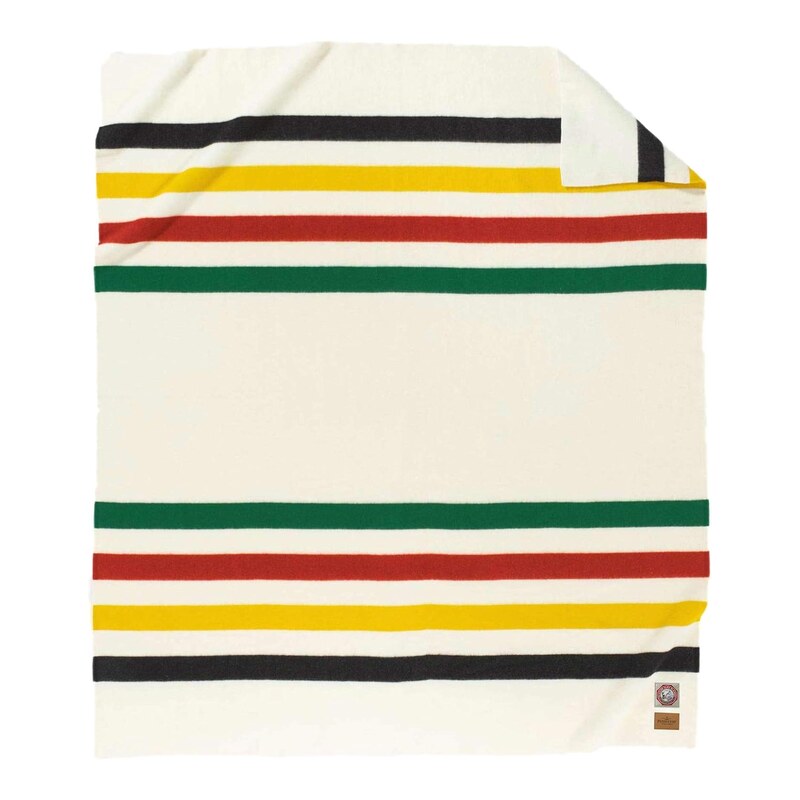
A classic striped wool blanket for clifftop contest watching.
Both companies grew from tiny workshops into global brands. Even so, they kept strong ties to the town and to Bells. Rip Curl’s name is still on the Easter contest today. Meanwhile, the founders’ early wetsuits and boards are displayed in the local museum.
The Australian National Surfing Museum tells that story in depth. Its collection includes historic boards, contest trophies and photographs from every era. It also honors the champions inducted into Australian surfing’s hall of fame. Allow at least an hour, especially on a flat day.
Torquay’s surf strip is also worth a wander. Factory outlets sit beside independent board shops and small cafes. Several shapers still work in the area, crafting boards for local conditions. A custom board ordered here makes a meaningful souvenir of the trip.
Torquay’s front beach and Fisherman’s Beach offer gentle waves for learning. Meanwhile, Jan Juc, just west of town, has more powerful beach breaks. Several accredited surf schools work along this stretch. For a private session, ask your hotel to book a Surfing Australia accredited coach.
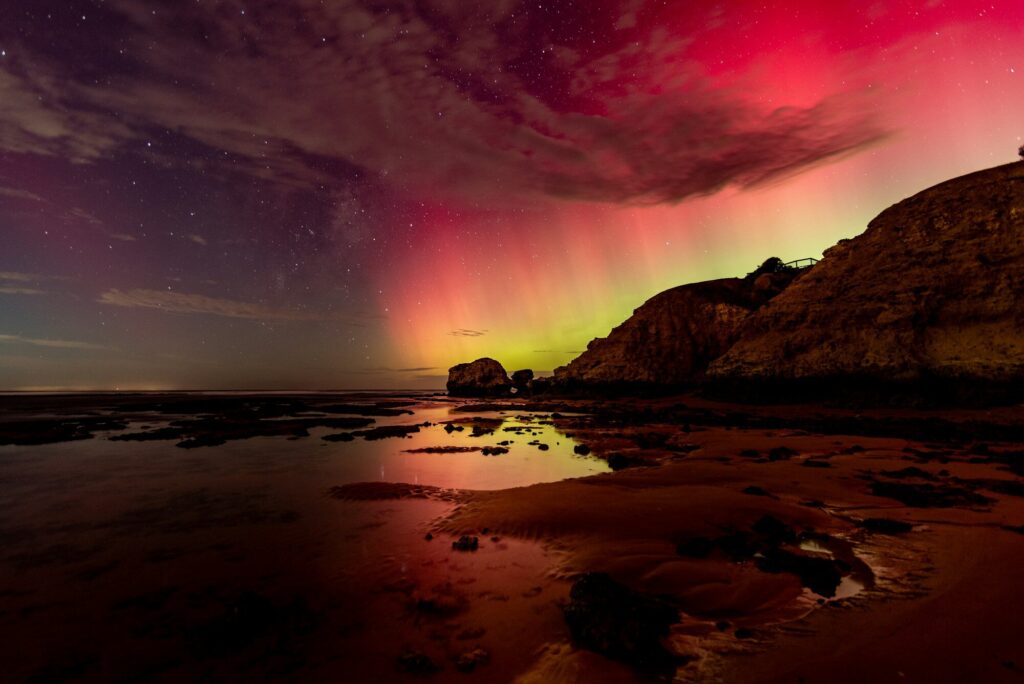
Torquay also offers one of the Surf Coast’s rare surprises. On clear winter nights, the Aurora Australis sometimes glows above the southern horizon. Photographers gather on the cliffs to capture its red and green curtains. Seeing it after a day on the reef is unforgettable.
When to visit Bells Beach
Bells works best from autumn through spring. Southern Ocean swells are most consistent from about March to October. Easter brings the Rip Curl Pro and the busiest week of the year. Winter, from June to August, delivers the biggest waves and the fewest crowds outside contest time.
Summer is warmer and better for beaches and walking. However, swells are less reliable, and the waves are often smaller. That makes summer a fine time for beginners and families. Experienced surfers usually prefer the colder months, when Bells shows its true power.
Wind direction shapes every session. Northerly and northwesterly winds blow offshore at the reef, grooming the waves into clean lines. In contrast, strong southerlies can make the surf messy within an hour. Check the forecast each evening and plan an early start when the wind looks right.
| Month | Swell | Crowds | Best for |
|---|---|---|---|
| January | Small and inconsistent | Busy holidays | Beaches and walking |
| February | Small to moderate | Moderate | Beginners at Torquay |
| March | Building groundswells | Moderate | Intermediate surfers |
| April | Consistent, contest season | Very busy at Easter | Watching the Rip Curl Pro |
| May | Consistent and powerful | Quiet | Experienced surfers |
| June to August | Biggest swells of the year | Quiet | Experienced surfers |
| September to October | Consistent | Moderate | Most surfers |
| November to December | Smaller and windier | Building | Coastal drives |
Water temperatures are cool all year. A full wetsuit is needed from autumn to spring, and many surfers add booties and a hood in winter. Even in summer, most people wear a spring suit or a thin full suit.
Where to stay on the Surf Coast
Torquay offers the closest base for surfers. Beach houses and apartments line the streets near the front beach and Jan Juc. Many have outdoor showers, board storage and ocean views. They suit travelers who want to check the surf at dawn and be in the water minutes later.
Jan Juc, on the western edge of Torquay, offers a slightly quieter base. Its streets climb a hillside above the beach, so many homes enjoy wide ocean views. The walk to the clifftop track takes only minutes. From there, you can stroll to the reef along the coastal path.

Fine crystal shaped for cool-climate pinot noir.
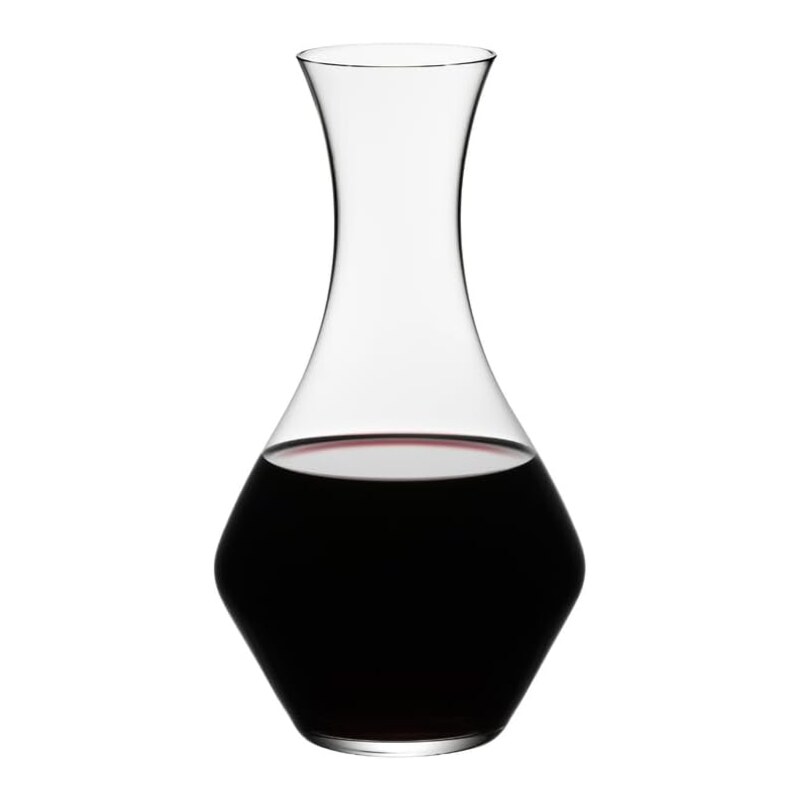

A handmade French waiter’s friend in an oak box.
A Surf Coast pinot deserves proper glassware. These pieces turn a cliff-house dinner into an occasion.
For more polish, look further along the Great Ocean Road. Lorne, about forty-five minutes west, combines a beautiful beach with fine dining and forested hills. Aireys Inlet, closer to Torquay, offers clifftop villas with long ocean views. Both put you within easy reach of the reef and the wider coast.
The most exceptional stay lies inland. Brae, at Birregurra on the edge of the Otways, is one of Australia’s most celebrated restaurants. It also offers a small number of luxurious guest suites set among its gardens. A night there pairs perfectly with a few days of surfing.
Point Lonsdale and the Bellarine Peninsula offer another option. Lon Retreat and Spa provides quiet luxury close to the water, about forty minutes from Torquay. Its spa treatments suit tired surfers perfectly. Moreover, the peninsula’s wineries are only a short drive away.
The Surf Coast table
The Surf Coast eats well. Fishermen land fresh catch at Apollo Bay and Lorne, and the Otways supply berries, mushrooms and dairy. Nearby, the Geelong and Bellarine regions produce elegant pinot noir and chardonnay. Bannockburn and By Farr are two names worth seeking out.
In Aireys Inlet, A La Grecque has served Greek-inspired coastal cooking for many years. Lorne offers relaxed seafood restaurants overlooking the beach. Torquay’s cafes are perfect after a dawn surf. For a special occasion, the drive to Brae is worth every minute.
Cellar doors deserve a day of their own. The Bellarine and the Moorabool Valley host small family wineries with tasting rooms and long lunch menus. Many specialize in cool-climate pinot noir, chardonnay and shiraz. Book a driver so everyone can enjoy the tastings.
Seafood is the other highlight. Southern rock lobster, abalone and King George whiting appear on menus up and down the coast. Most restaurants buy directly from local fishermen. As a result, the fish on your plate was often in the water that morning.
You may also like

Driving the Great Ocean Road from Bells Beach
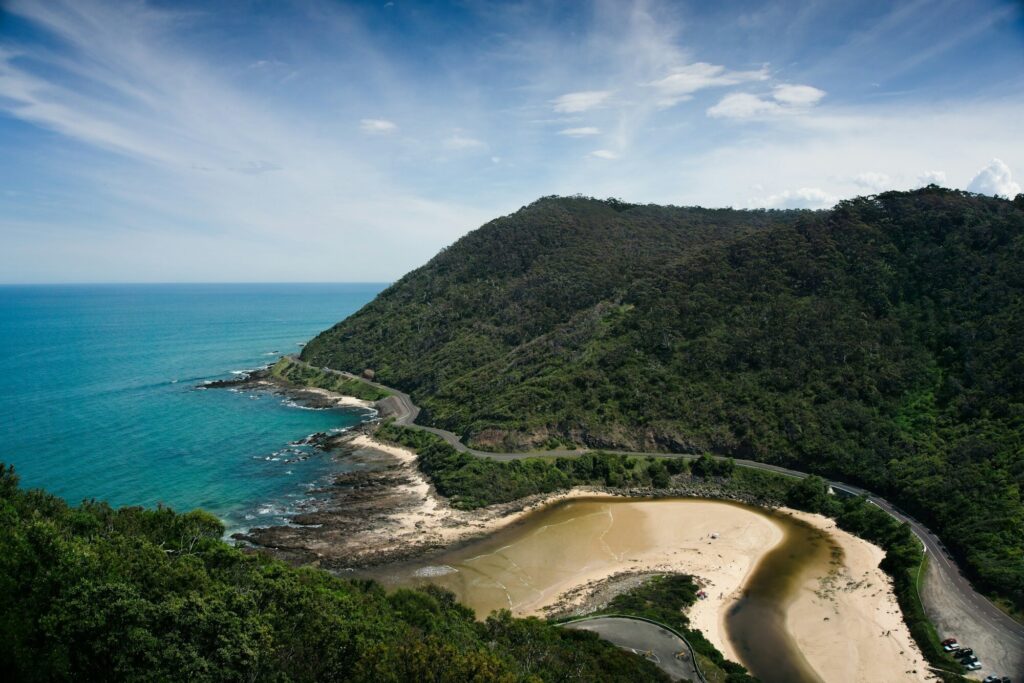
The reef marks the start of one of the world’s great coastal drives. The Great Ocean Road begins near Torquay and winds west past Anglesea, Lorne and Apollo Bay. Along the way, it clings to cliffs, dips into forested valleys and crosses river mouths. Allow at least two days to enjoy it properly.
Lorne makes an ideal first overnight stop. Its wide beach and pier are lovely in the early evening. Behind the town, short walks lead to waterfalls in the Otway forests. In addition, the town has several good restaurants and a relaxed seaside atmosphere.
Beyond Apollo Bay, the road turns inland through the Great Otway National Park. Tall forests, ferns and waterfalls fill this stretch. Then it returns to the coast near Port Campbell, home to the Twelve Apostles. These limestone stacks rise straight from the Southern Ocean surf.
Along the way, the road passes some of Victoria’s finest beaches. Anglesea and Fairhaven offer long sandy stretches and gentle waves on smaller days. Further west, Wye River and Kennett River are quiet coastal hamlets. Koalas are often spotted in the trees around Kennett River, so drive slowly and look up.
The Apostles are at their best at sunrise or sunset, when the cliffs glow gold. A scenic helicopter flight offers the most spectacular view. Alternatively, walk the clifftop paths and viewing platforms at your own pace. Many visitors return to Torquay afterward with a new respect for this coast.
Caring for Bells Beach
The reserve is more than a surf break. It is also important habitat for vulnerable wildlife, including the ground-dwelling Rufous Bristlebird. The adjoining sandy beach forms part of the Point Addis Marine National Park. Every visitor shares responsibility for protecting it.
Stay on the formal paths and stairs along the cliffs. Take all rubbish home, and keep dogs on a leash within the reserve. The Surf Coast Walk passes through the reserve, offering views of both Bells and Winki Pop. Walking a section of it is a fine way to see the coast without adding wear to the clifftops.
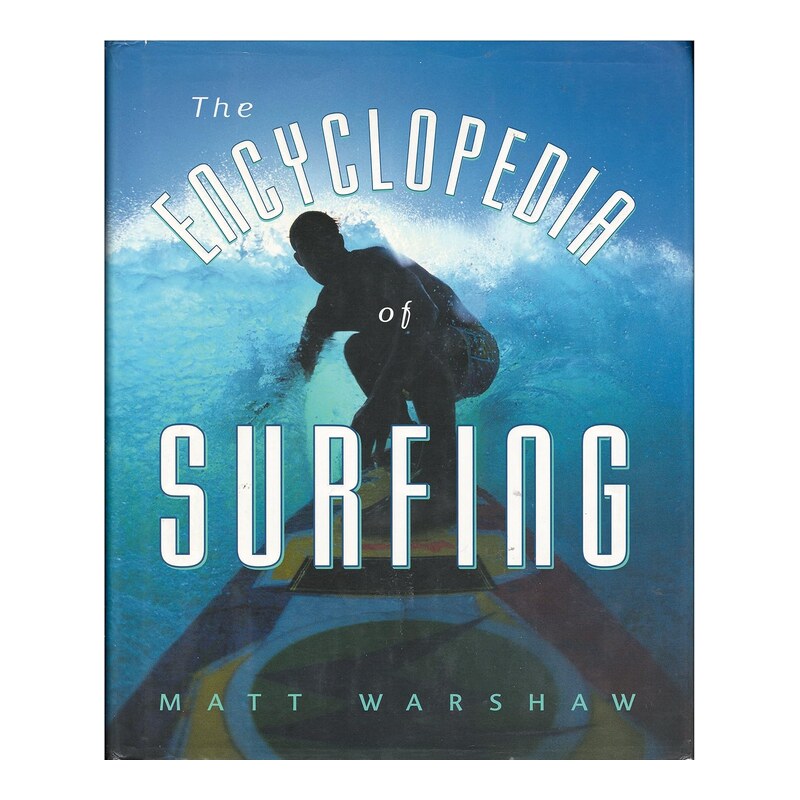
The definitive A to Z of surfing people, places and terms.
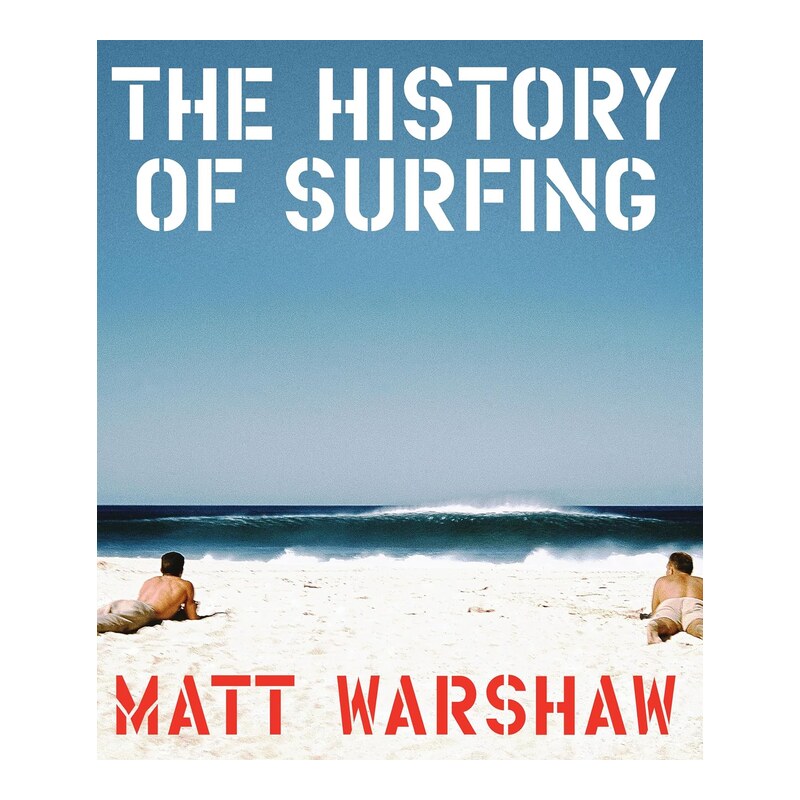
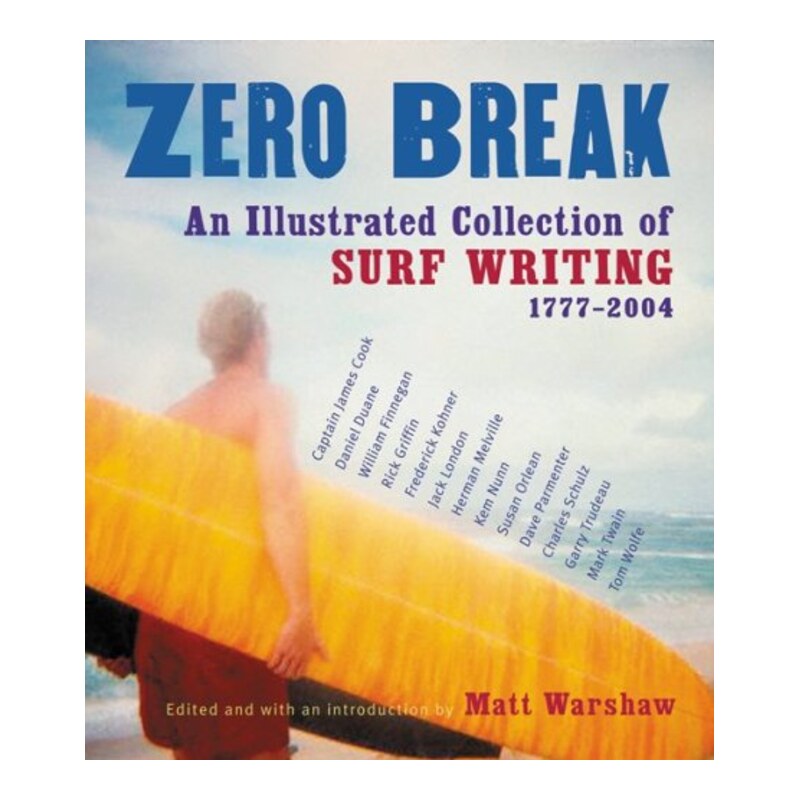
Long winter evenings on the Surf Coast call for great surf writing. These three books explain why places like Bells Beach matter so much.
Volunteers still play a central role. Groups like Surfers Appreciating the Natural Environment continue weed control and replanting. Visitors can join community planting days or simply support local conservation groups. In that way, the spirit of 1971 lives on.
Climate change brings new pressures too. Bigger storms and rising seas threaten fragile cliffs along the entire coast. Land managers monitor erosion closely and adapt their work accordingly. Supporting that effort is one of the most meaningful ways to give back to the place.
Finally, consider the timing of your visit. Coming outside school holidays and contest week spreads the pressure on the reserve. It also gives you a quieter, more personal experience of the coast. In other words, the best trip for you is often the best trip for the reef as well.
Surf etiquette at Bells Beach
The line-up here has a strong local crowd and a clear pecking order. The surfer closest to the peak has priority, and dropping in is never acceptable. Paddle wide of the line-up and wait your turn patiently. Above all, never surf beyond your ability on a heavy day.
Respect the land as well as the water. Park in the formal car park and use the stairs to reach the beach. Leave the clifftop vegetation alone. These small habits reflect the reserve’s history and the surfers who fought to protect it.
Safety deserves equal attention. Strong rips run along the reef and the nearby beaches, especially on bigger days. If you are unsure of conditions, ask a local or watch for a while before paddling out. Never surf alone at Bells, and tell someone when you plan to return.
Planning your Bells Beach trip
Bells Beach is about ninety minutes’ drive from Melbourne and less than an hour from Avalon Airport. Most visitors base themselves in Torquay, Aireys Inlet or Lorne for three to five nights. That allows time to watch Bells, surf nearby breaks and drive part of the Great Ocean Road. Add a night in the Otways or at Brae for a truly memorable trip.
Families can enjoy the Surf Coast too. Torquay’s front beach is sheltered and patrolled in summer, ideal for children. Meanwhile, the surf museum and the coastal walks keep everyone busy on flat days. Few surf regions offer such a good mix of serious waves and easy family time.
For a wider journey, combine the Surf Coast with the warm points of the east coast. Our guides to surfing Noosa and Byron Bay surfing cover the gentler side of Australia. To see how Bells Beach fits into the national story, read our guide to Australian surf culture.
Take our short quiz and find the city, coast and pace of life that suits you best.
Take the quizQuestions worth asking
Can beginners surf at Bells Beach?
Bells is best left to experienced surfers, as the reef is powerful and the water is cold. Beginners should learn at Torquay’s front beach or Jan Juc with an accredited coach, then watch Bells from the clifftop.
When is the Rip Curl Pro held at Bells Beach?
The Rip Curl Pro is held every Easter. Book accommodation in Torquay or Lorne well ahead, as the town fills quickly during contest week.
Why is Bells Beach called Djarrak?
Djarrak is the Wadawurrung name for the place. It means bended arm, describing the curve of the cliffs around the bay.
What was the world’s first surfing reserve?
Bells Beach. The reserve name was officially adopted in November 1971, making it the first surfing reserve in the world.
How far is Bells Beach from Melbourne?
It is about ninety minutes’ drive southwest of Melbourne, just beyond Torquay at the start of the Great Ocean Road.
Do I need a wetsuit at Bells Beach?
Yes. A full wetsuit is needed for most of the year, and many surfers add booties and a hood in winter.